
As Forgotten Harvest evolved, the need for a clearer view of its Microsoft 365 environment, infrastructure, security, and operational systems became increasingly important. Without that visibility, leadership risked inefficiencies, governance gaps, security exposure, and poorly sequenced technology investments that could undermine future growth.
Through the Apex Digital Technology Empowerment Grant, Forgotten Harvest partnered with Apex Digital Solutions to assess its Microsoft 365 environment, infrastructure, security posture, and long-term technology modernization strategy.
- The engagement gave executive and technology leadership a clearer view of current strengths, risks, and gaps across Microsoft 365, security, infrastructure, and governance.
- Apex Digital provided independent validation of existing investments and practical guidance on what to address first across governance, security, infrastructure, and collaboration.
- The assessment identified opportunities to strengthen operational resilience while supporting future analytics, automation, and AI initiatives.
- Forgotten Harvest gained strategic guidance around how Microsoft technologies can support logistics, communication, collaboration, and reporting across a growing organization.
- The assessment gave leadership a phased path for future technology decisions that support the mission.
About Forgotten Harvest
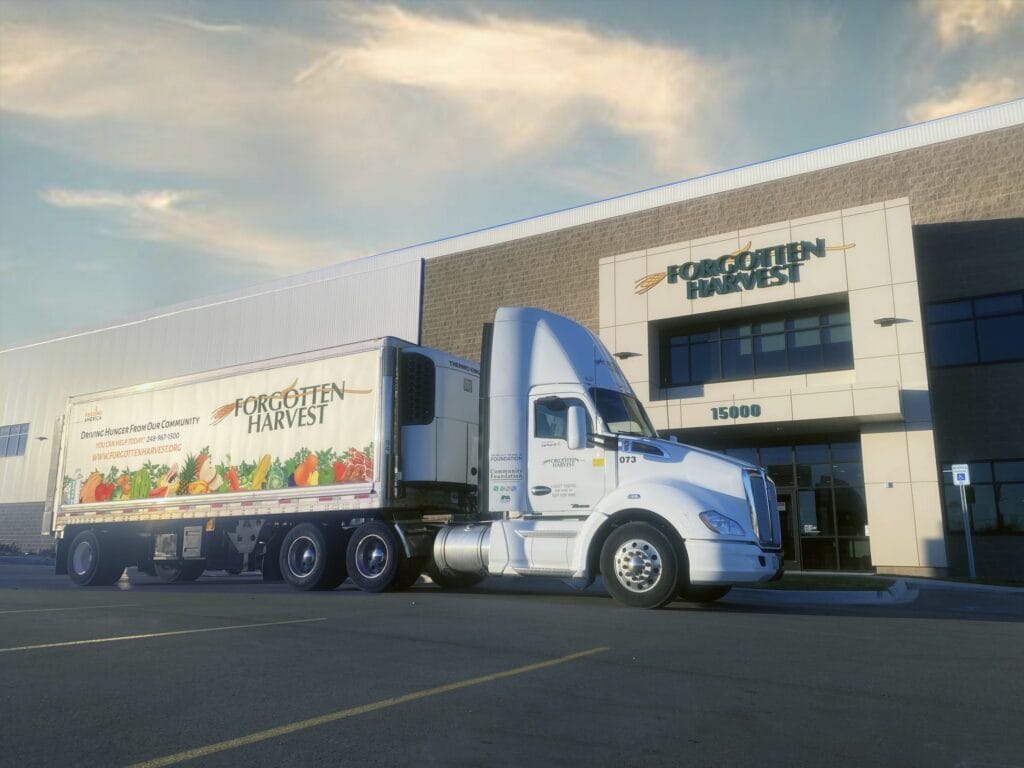
Forgotten Harvest is one of Michigan’s most impactful hunger-relief organizations, rescuing surplus food from grocery stores, restaurants, farms, wholesalers, and other food providers and redistributing it to communities across Metro Detroit. The organization serves hundreds of partner agencies and helps provide tens of millions of pounds of food annually to individuals and families facing food insecurity.
46M+
pounds of food rescued
and distributed in 2025
39M+
meals provided to
community in 2025
158k+
pounds of food distributed
every day, on average
Coordinating food rescue, warehousing, logistics, volunteer management, reporting, and community outreach at this scale requires strong operational systems and dependable technology foundations.
As Forgotten Harvest planned for future growth, leadership recognized that without a strategic assessment, existing systems, infrastructure, and Microsoft technologies could become harder to govern, harder to secure, and harder to scale effectively.
“Every operational improvement has a direct impact on how efficiently we can move food into the community. By engaging in a full IT assessment, we wanted to both validate the impact of the work already done and better understand how technology could help support the scale and complexity of our mission moving forward.”
Steve Christenson
Director of IT Operations and Service Delivery
Forgotten Harvest
The challenge: planning for growth while supporting daily operations
Like many nonprofit organizations, Forgotten Harvest had made meaningful technology investments over time across Microsoft 365, infrastructure, operational systems, and cybersecurity. The challenge was the growing risk that, without a comprehensive assessment, those investments could become underused, disconnected, and harder to govern as operational demands increased.
Existing investments created new planning questions
As operational demands continued to grow, leadership needed more than general visibility into what should come next. Without a strategic review, infrastructure, security, governance, reporting, and collaboration improvements could be pursued in isolation, creating inefficiency, obscuring dependencies, and making it harder to prioritize the changes that would deliver the greatest operational value.
Forgotten Harvest also wanted independent validation that existing investments were being used effectively and that important risks were not being overlooked. Over time, governance weaknesses, security exposure, and operational inefficiencies can become harder to see, especially when technology decisions are made incrementally rather than through a coordinated strategy.
Operational scale increased technology complexity
Food rescue and distribution operations require coordination across staff, volunteers, logistics, scheduling, reporting, and communication. At that scale, even capable systems can become harder to manage when processes, platforms, and controls evolve over time without a unified view of how they support the broader organization. Forgotten Harvest needed to understand whether its infrastructure, collaboration tools, security controls, and operational systems were providing a strong enough foundation for efficiency, resilience, and future growth.
Leadership also wanted to understand how future analytics, automation, and AI-enabled workflows could be introduced responsibly. Those capabilities depend on a stronger foundation of governance, security, identity, data protection, and operational consistency, without which new technologies can add complexity faster than they create value.
“Organizations like Forgotten Harvest are being asked to do more every year while navigating rising operational costs, growing demand, and increasing complexity behind the scenes. We wanted to make sure our technology foundation could continue supporting that growth in a way that helps us serve the community more efficiently, reliably, and at greater scale.”
Adrian Lewis
President and CEO
Forgotten Harvest
What Apex Digital delivered: a Microsoft 365 and infrastructure assessment focused on what to do next
Forgotten Harvest applied for and was selected as the recipient of the Apex Digital Technology Empowerment Grant, an in-kind technology services grant valued at $25,000. The grant was created to help nonprofit organizations strengthen their technology foundations, improve operational efficiency, and get clearer guidance on what to do next.
Through the Apex Digital Technology Empowerment Grant, Forgotten Harvest received a comprehensive assessment spanning Microsoft 365, security, infrastructure, and governance.
Over a roughly four-week engagement conducted through a mix of remote and on-site work, Apex Digital combined automated data collection, manual technical review, and stakeholder interviews to evaluate how the environment was supporting day-to-day operations and future planning. The assessment covered an environment of approximately 125 managed users, 125 laptops and desktops, 6 servers, 1 firewall, and 32 switches and wireless access points.
The assessment covered core Microsoft 365 workloads such as Exchange Online, SharePoint, OneDrive, Teams, Entra ID, Intune, Defender, Purview, and licensing, along with network infrastructure, servers, backup and recovery, phone systems, and broader governance and operational considerations.
Rather than looking at Microsoft 365, security, infrastructure, and governance as separate workstreams, the engagement evaluated how they worked together across day-to-day operations, risk, resilience, and future planning. That broader view helped connect executive priorities with the technical decisions needed to support them.
Environment and infrastructure review
Apex Digital reviewed key areas of Forgotten Harvest’s environment across the Microsoft 365 platform, including:
- Exchange Online
- File storage and collaboration in SharePoint, OneDrive, and Microsoft Teams
- Identity and access management in Entra ID, including conditional access, multifactor authentication, and single sign-on
- Device management
- Licensing; and AI readiness for Microsoft 365 Copilot.
The assessment also examined network infrastructure such as firewalls, switches, and wireless access points; server infrastructure including hypervisor platforms and physical and virtual servers; phone system capabilities and support; backup and recovery functionality; and project management practices that affect day-to-day execution and support growth.
Security and governance evaluation
The engagement evaluated security posture and governance controls across multiple layers of the environment, including:
- Microsoft Defender capabilities for endpoint, identity, email, and broader threat protection
- Entra ID protections tied to conditional access and identity security
- Microsoft Purview capabilities for compliance, data loss prevention, and data protection
- End user security awareness training
- The security and resiliency of backup and recovery solutions.
As organizations adopt AI-enabled tools such as Microsoft 365 Copilot and increase operational digitization, strong governance, access visibility, and data protection become increasingly important.
Roadmap and prioritization planning
One of the most important outcomes of the engagement was a prioritized roadmap structured across immediate, mid-term, and long-term initiatives tied to operational goals.
Forgotten Harvest received actionable guidance organized into immediate improvements, medium-term optimization opportunities, and longer-term strategic considerations so leadership could sequence investments in a practical way.
That gave the organization an actionable plan that connected security, governance, collaboration, infrastructure, and device management decisions to broader goals around resilience, staff efficiency, reporting, and readiness for future ERP, CRM, finance, analytics, and AI initiatives.
“Receiving the Technology Empowerment Grant gave us the opportunity to step back and evaluate our environment more strategically than we otherwise could have. The assessment helped us better understand where modernization efforts can create the greatest operational impact and how technology can continue supporting our mission as we grow to meet the needs of our community.”
Steve Christenson
Director of IT Operations and Service Delivery
Forgotten Harvest
The Apex Digital Technology Empowerment Grant helps nonprofit organizations validate their Microsoft 365 environment and establish a roadmap for the following 12 months.
For nonprofit organizations facing similar questions around Microsoft 365, security, infrastructure, and AI readiness, an assessment can help clarify what to prioritize next.
Outcomes: clearer priorities for technology investments
The engagement gave Forgotten Harvest a stronger foundation for future technology decisions by helping leadership connect current-state insights to a more strategic path forward. As a result, the organization came away with greater clarity on where to focus, how to sequence future investments, and how technology can better support operational and mission goals over time.
Clearer visibility into risks, gaps, and priorities
Leadership gained a more complete understanding of how Microsoft 365, infrastructure, governance, and operational systems were performing today across a broad assessment of identity, collaboration, licensing, device management, security controls, network infrastructure, servers, backup and recovery, and phone systems.
That visibility helped clarify which capabilities were already providing a strong foundation, where configurations or processes needed improvement, and which priorities should be addressed first to reduce friction, strengthen resilience, and support the organization’s day-to-day operations.
Stronger foundation for analytics, automation, and AI
The assessment established a stronger baseline for future work involving analytics, automation, AI adoption, and broader business systems modernization.
By surfacing dependencies across governance, identity, security, compliance, licensing, and infrastructure early, the engagement helped Forgotten Harvest plan future initiatives more responsibly. It also gave leadership a clearer way to connect foundational technology work to upcoming priorities such as ERP, CRM, finance, reporting, and operational visibility improvements.
Better alignment between technology and mission delivery
The engagement reinforced that technology planning is most valuable when it is tied directly to mission execution. With a phased roadmap in place, Forgotten Harvest is better positioned to make technology decisions that support logistics, communication, reporting, security, and service continuity while aligning future investments with the organization’s broader strategic planning. That makes modernization easier to justify internally because the next steps are connected to real operational outcomes.
Looking ahead: future modernization initiatives
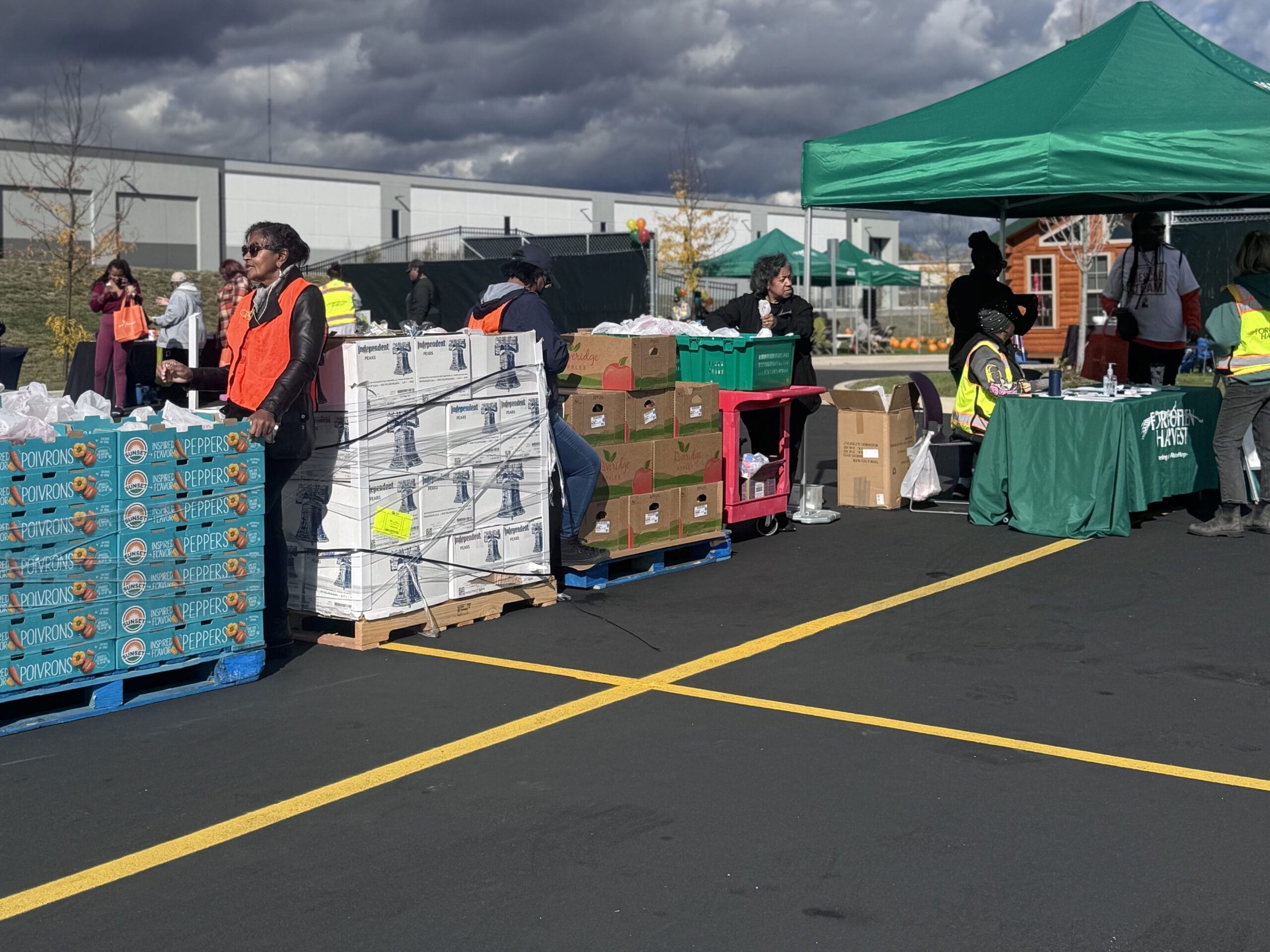
With a clearer view of its environment and a prioritized roadmap in hand, Forgotten Harvest is focused on turning the assessment’s recommendations into action. In the near term, leadership is focused on strengthening security measures so it can keep moving food into the community efficiently and reliably.
“When you’re secure and using your internal resources more efficiently, that leaves more money to put toward the mission instead of spending it on problems you have to deal with internally.”
Steve Christenson
Director of IT Operations and Service Delivery
Forgotten Harvest
Key initiatives on the horizon for Forgotten Harvest include:
- Reinforcing security and governance across Exchange Online, SharePoint, Teams, and identity so the environment remains resilient and well-governed as the organization grows.
- Exploring further AI adoption at a sustainable pace. With a stronger security and governance foundation in place, Forgotten Harvest plans to explore Microsoft 365 Copilot through a measured, phased rollout, starting with a small group of users and expanding as value is proven and budget allows.
Why nonprofits should assess and validate their technology operations
Many nonprofit organizations already have Microsoft 365 and other technology platforms in place. The challenge is knowing whether those environments are set up to support growth, meet security expectations, and support future work like automation and AI.
A strategic assessment helps nonprofit executives understand where technology may be creating operational risk or limiting growth, while giving IT leaders a clearer view of the gaps, dependencies, and priorities that need attention. For organizations balancing limited resources with growing community demand, that kind of shared visibility can become a major advantage.