Technology leaders are operating in a moment where the stakes feel higher, and the margin for error feels smaller. Ransomware and supply chain disruption are on the rise, identity has become a primary attack surface, and AI has thoroughly become a necessity to scale. Boards and regulators are asking sharper questions around these topics. Often while legacy platforms, talent constraints, and budget pressure refuse to slow down.
If the past year has made anything clear, it’s that cyberattacks are evolving significantly. These events affect operations, customer trust, clinical or manufacturing continuity, and the pace of every other strategic initiative.
Our team reflected on this reality in the wake of the Stryker incident and the broader lesson applies well beyond any single organization: resilience is built (or revealed) in the decisions you make before the crisis arrives.
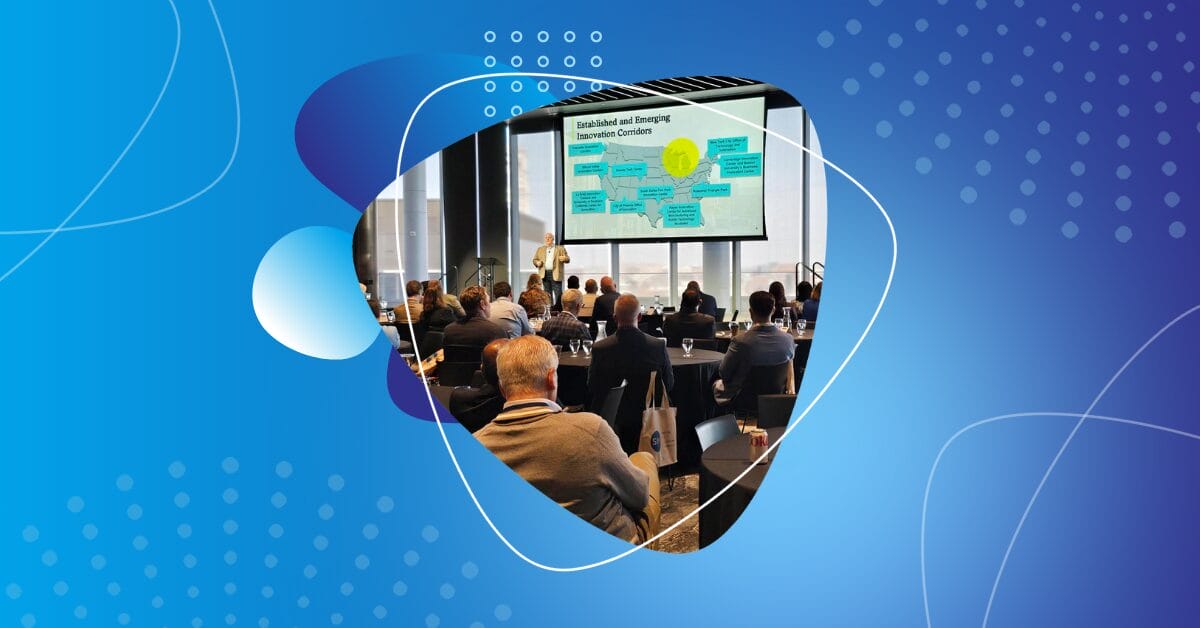
That’s why gatherings like the SIM Michigan Technology Leaders Summit matter.
This year’s summit brought regional CIOs, CISOs, and technology executives into the same room to compare notes on what’s changing, what’s working, and what needs to change next, from cyber readiness and response discipline to AI strategy, governance, and measurable value.
The takeaways below reflect the themes that surfaced most consistently across the day.
What Is SIM?
SIM, the Society for Information Management, is a professional community for senior technology leaders. In Michigan, the Detroit chapter brings together IT executives and other technology leaders for peer networking, educational programming, mentoring, community involvement, and practical discussion around the issues shaping the enterprise technology landscape.
What Is the SIM MTL Summit?
The Michigan Technology Leaders (MTL) Summit is one of the chapter’s flagship gatherings. Every year, it brings together leaders from across the region for keynote talks, case studies, peer discussion, and networking centered on the issues that are most urgent for today’s technology organizations.
Looking to build stronger local connections with fellow technology leaders?
The Michigan Technology Guild is a new collective giving an opportunity for Michigan technology leaders who want unique experiences, shared learning, and deeper community.
Top Takeaways from this year’s SIM MTL Summit
- Intentional resilience is a leadership discipline. It comes from honest reflection, steady operating habits, and a willingness to change what no longer fits.
- Cybersecurity headlines continue to shape long-term strategy. Breaches and investigations have changed how organizations think about identity, visibility, governance, and response readiness.
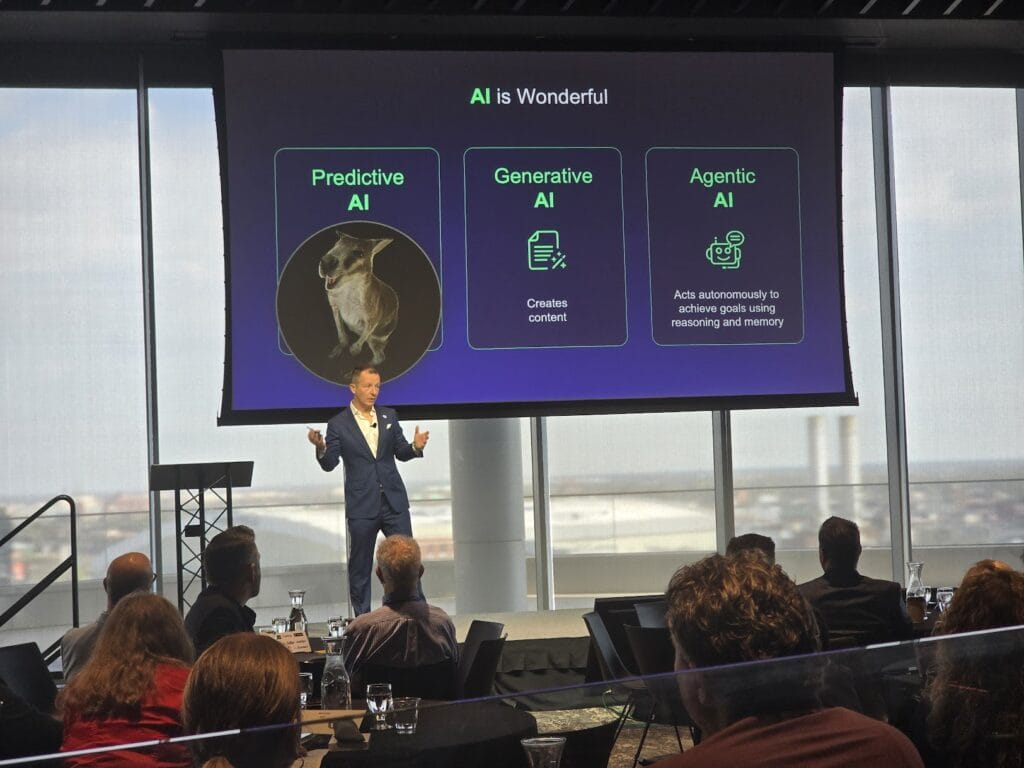
- AI maturity matters more than AI activity. The strongest discussions focused on purpose, measurable outcomes, and business value rather than speed for its own sake.
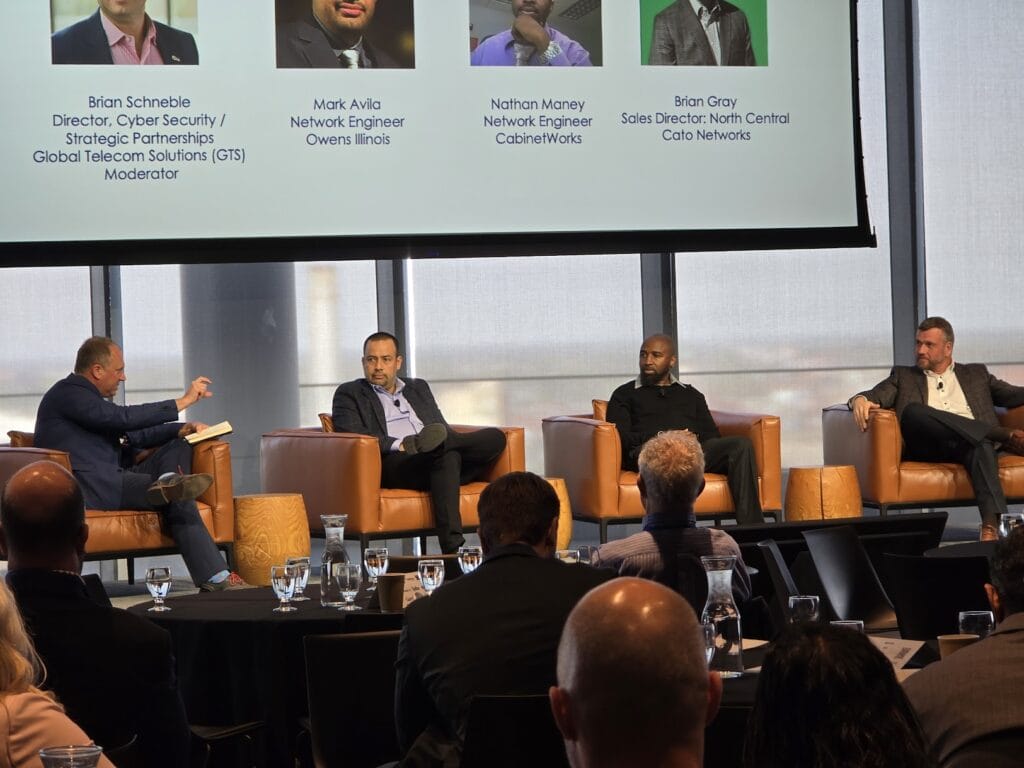
- Michigan’s technology community gains real value from being in the same room. The summit brought together leaders from industry, government, security, infrastructure, and innovation for conversations that were both strategic and practical. Shared challenges around talent, modernization, risk, and growth are easier to work through when the local community has strong relationships and trusted spaces to learn together.
A Framework That Stuck With Us: Reflect, Repeat, Replace
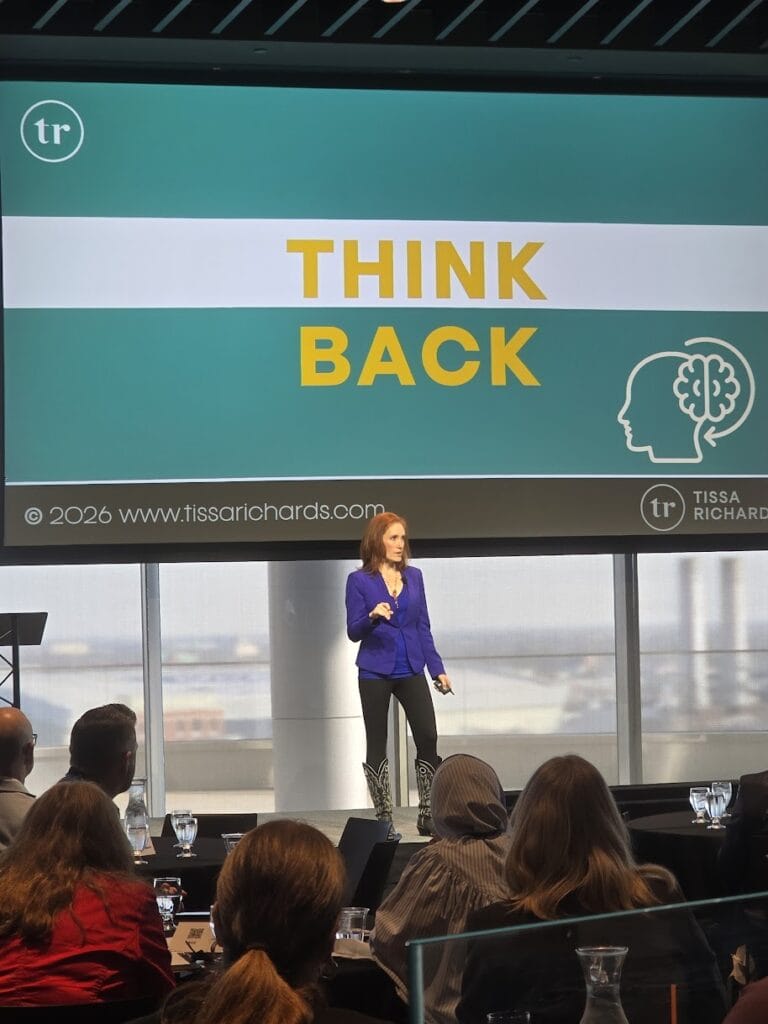
In her keynote speech at this year’s SIM MTL Summit, Tissa Richards introduced the idea of intentional resilience in the face of difficult decisions. She framed it through three actions: reflect, repeat, and replace.
That theme carried through the entire event. It showed up in discussions about cybersecurity, AI, infrastructure, leadership, and the practical choices technology leaders have to make every day.
The day felt grounded in pressure and opportunity. Leaders were talking openly about the impact of major security incidents, the rise of AI-augmented threats, the pressure to move from experimentation to measurable outcomes, and the responsibility to build stronger operating habits before a crisis forces the issue.
Reflect
“Reflect” means slowing down long enough to see the real situation clearly.
At the summit, that felt especially relevant in the context of cybersecurity. Over the past year, leaders have watched high-profile incidents drive home the cost of gaps in governance and incomplete visibility.
Reflection means asking harder questions about where risk lives, where assumptions have gone unchallenged, and whether the organization is truly prepared for what comes next.
That same kind of reflection applies to AI. Many organizations have tested tools, run pilots, or launched experiments. The harder and more useful question is what those efforts are actually producing: Are they improving service, reducing friction, helping teams make better decisions, or strengthening the employee experience?
Repeat
“Repeat” is about protecting the habits that create strength over time.
Good leadership comes from consistent practices: clear communication, sound governance, cross-functional coordination, documented response plans, and the discipline to revisit important work before it becomes urgent.
That theme surfaced across sessions on Zero Trust, digital forensics, infrastructure strategy, and leadership. The strongest organizations are usually not the ones chasing every trend. They are the ones repeating the right behaviors often enough that resilience becomes part of how they operate.
Replace
“Replace” may be the hardest part of the framework.
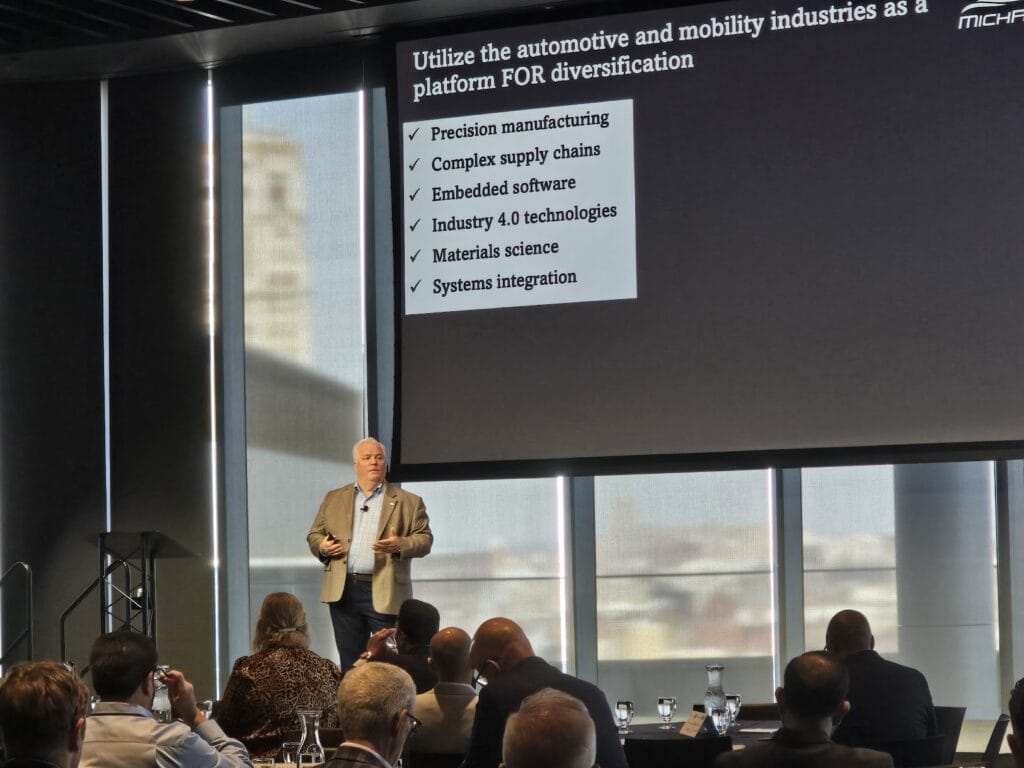
It asks leaders to let go of what no longer serves the mission. Sometimes that means replacing old assumptions about cybersecurity with stronger identity controls, clearer ownership, and a more mature response posture. Sometimes it means replacing technology experimentation that looks impressive on paper with initiatives that can show measurable value.
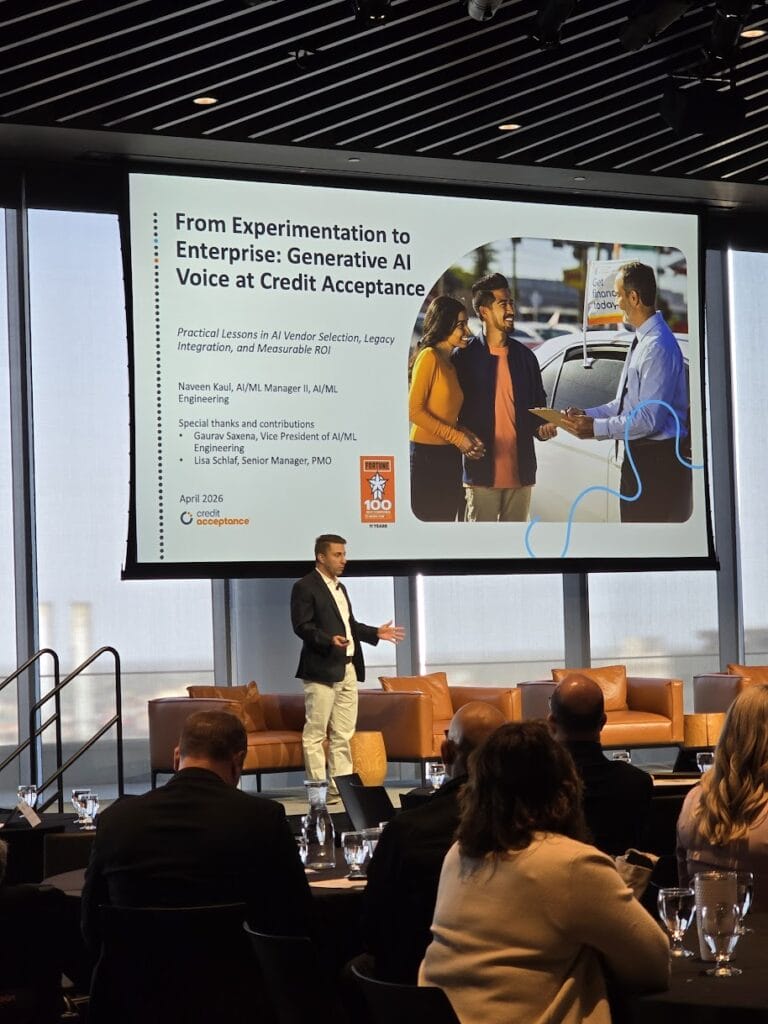
This came through clearly in the GenAI case study and in the broader AI discussions throughout the day. The goal is not to say an organization is using AI. The goal is to apply it where it can produce great outcomes and support better work. Intentional resilience requires leaders to replace shallow urgency with thoughtful action.
Apex Digital at the SIM MTL Summit
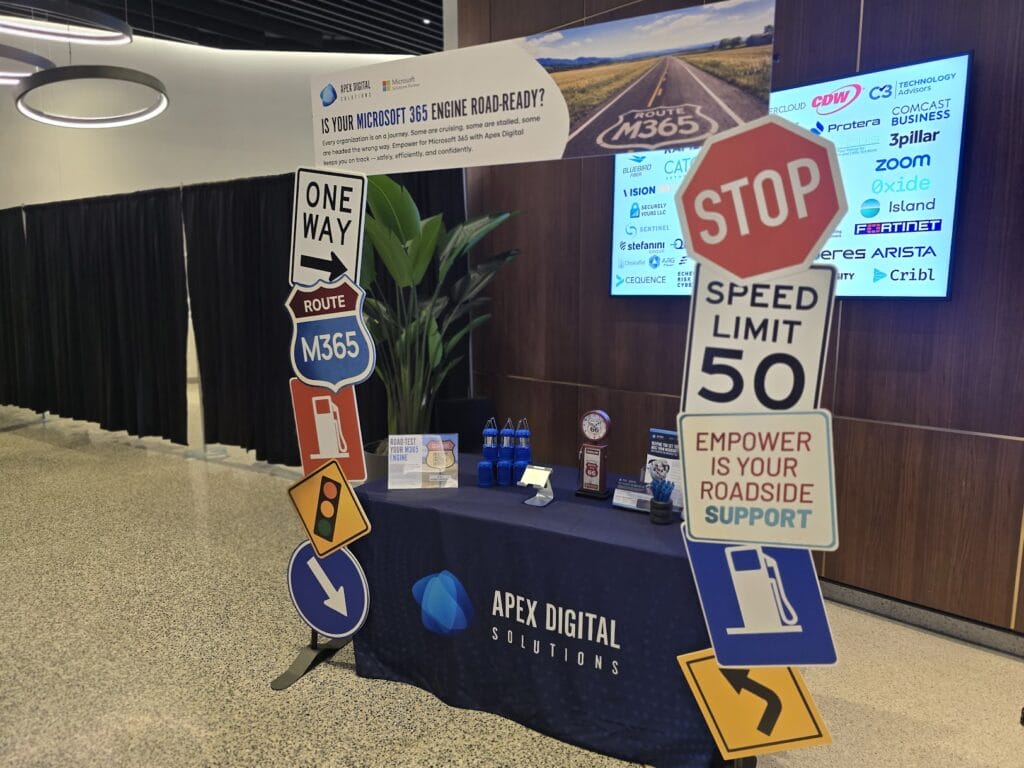
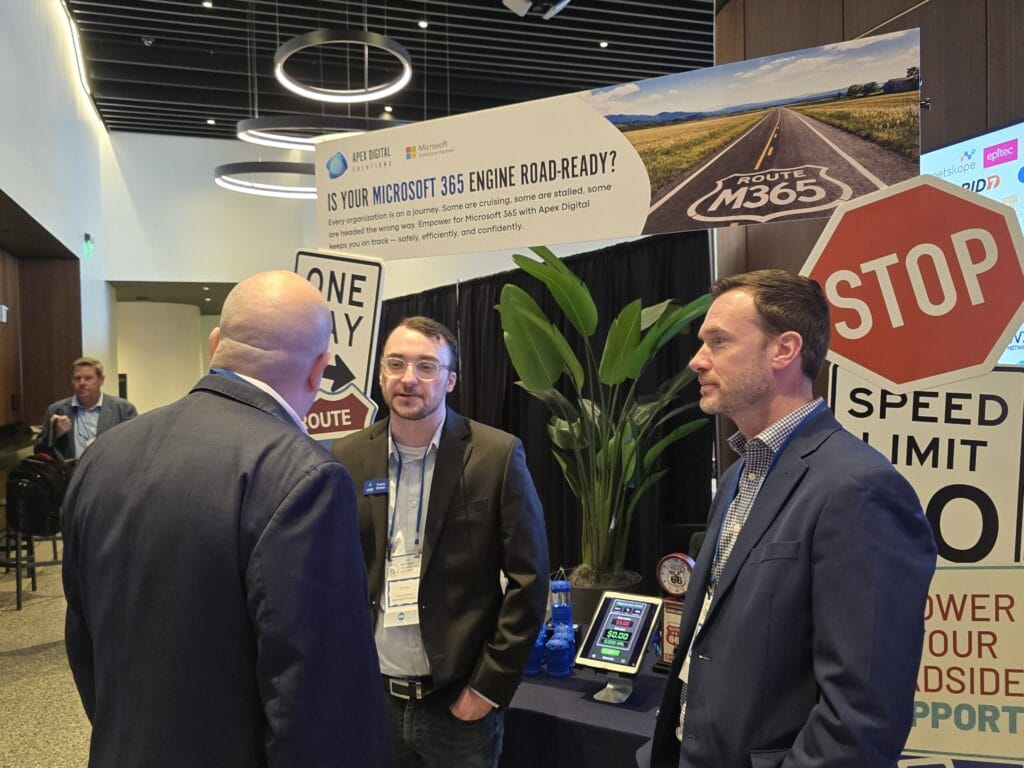
At the event, the Apex Digital team spent time talking with attendees about a challenge we see often: Microsoft 365 is already central to the business, but many organizations still need more structure around licensing, governance, security, and long-term readiness.
Our conversations focused on three areas in particular:
- Microsoft licensing clarity, including how changes in licensing and packaging affect planning, budgeting, and day-to-day value.
- Copilot readiness, including the need for stronger data governance, permission hygiene, and clear operational ownership before organizations scale AI more broadly.
- The value of having a partner actively managing the Microsoft 365 environment so teams are not left reacting to constant platform changes on their own.
That is a big part of why we continue to talk about Empower for Microsoft 365. Many organizations do not need another one-time burst of advice. They need a knowledgeable partner who can help them assess where things stand, guide priorities, and keep the environment healthy over time.
Learn more about Empower for Microsoft 365 and how Apex Digital supports Microsoft 365 planning, governance, and ongoing advisory work.
Closing Reflection about SIM MTL 2026
The SIM MTL Summit delivered the kind of event that stays with you after the day ends. It brought together thoughtful leadership perspectives, practical examples, and honest conversation about what technology leaders are navigating right now.
For us, the thread that connected the day was intentional resilience. Reflect on the real situation. Repeat the habits that build strength. Replace what no longer serves the work ahead. That is a useful framework for leadership, and it feels especially relevant for a moment shaped by cyber risk, AI pressure, and constant change.
Thank you to the SIM team for putting together a strong event and creating space for the Michigan technology community to learn from one another.